Due 7 NovUKMaking Tax Digital for Income Tax — Quarterly Update Due NewUSFTC Fake Reviews Rule Check (16 CFR Part 465) See deadlines ›
Due 7 NovMaking Tax Digital for Income Tax — Quarterly Update Due NewPrize Draw & Social Media Giveaway Rules Check (UK) See deadlines ›
Due 15 DecQ4 Corporate Estimated Tax Payment Due NewFTC Fake Reviews Rule Check (16 CFR Part 465) See deadlines ›
Due 2 DecEU Platform Work Directive — Transposition Deadline NewEU Digital Services Act (DSA) Compliance Check See deadlines ›
Due 11 NovQuarterly BAS Due — Online Lodgement (July–September) NewSerious Invasion of Privacy Tort Check (AU) See deadlines ›

Website & Digital United Kingdom

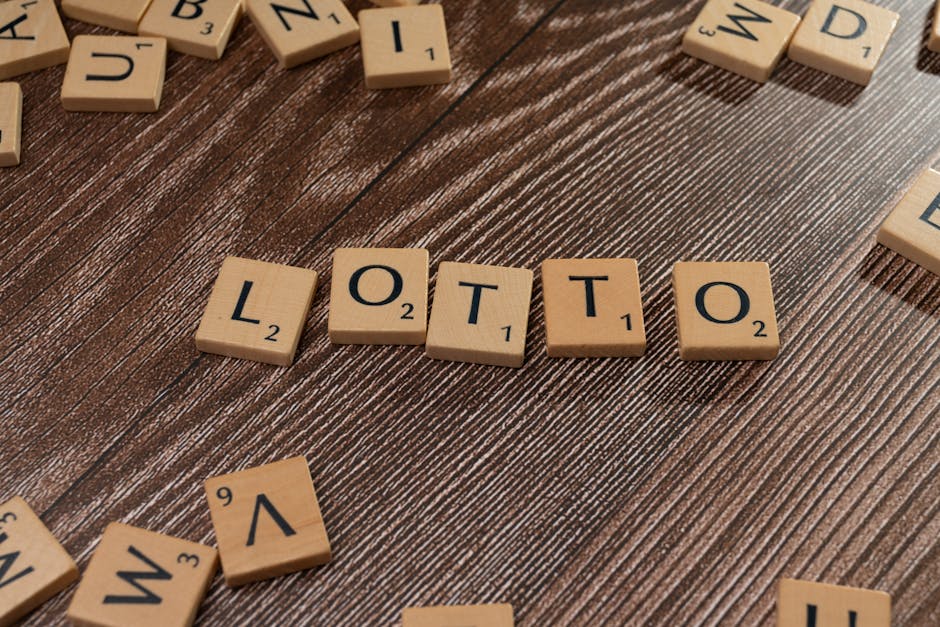
Prize Draw & Social Media Giveaway Rules Check (UK)

Check your UK prize draw, competition or social media giveaway against the CAP Code and Gambling Act 2005: free entry, terms, winners and data.

Start free check 11 questions · 7 minutes · No signup

Last reviewed 4 November 2026 against current law.

Trending now

Did you know? The numbers behind this check.

  • Gambling Act 2005 s.258Unlicensed lottery offence
  • CAP Code Section 8Promotion rules
  • Advertising Standards AuthorityRegulator for adverts
  • Gambling Act 2005 Sch. 2Free-entry rules

Why this matters.

Giveaways, prize draws and competitions are a popular way to grow an audience, especially in the run-up to Christmas, but in the UK they are regulated. Under the Gambling Act 2005, a promotion where people pay to enter and winners are chosen purely by chance is a lottery, and running an unlicensed lottery is a criminal offence under section 258. Most prize draws stay legal by offering a free entry route, or by making entry free altogether, under the rules in Schedule 2 to the Act. Competitions avoid the lottery rules if winning depends on real skill or judgement, which means the question has to be hard enough to deter a significant number of people or stop a significant number from winning.

Promotions are also covered by Section 8 of the CAP Code, which the Advertising Standards Authority applies to marketing on websites and social media. It requires clear significant terms, such as how to enter, the closing date, what the prize is and any restrictions, that prizes are awarded as described, and that winners are picked fairly and their details made available on request. The Consumer Protection from Unfair Trading Regulations 2008 (now largely replaced by the Digital Markets, Competition and Consumers Act 2024) ban falsely claiming that someone has won a prize, and UK GDPR and PECR apply to the entrant data you collect. Platforms like Instagram, TikTok and Facebook have their own promotion rules too. The ASA regularly names businesses and influencers that get this wrong, and can refer serious cases to Trading Standards.

Have these to hand.

  • Details of the promotion: how people enter, the prize and the closing date
  • Whether entrants pay, buy something or must do anything else to enter
  • Your draft terms and conditions or the post wording
  • How you will pick and contact the winner and store entrants' data

What you’ll get.

  • 1A score out of 100Where you stand today, at a glance.
  • 2Findings ranked by riskWhat could cost you, highest risk first.
  • 3A plan with timeframesWhat to fix first and by when.

More in Website & Digital. Checks people run next.

General guidance only, not legal advice. Consult a qualified solicitor or adviser in your jurisdiction for specific issues.